Vertical forests are transforming city skylines worldwide, merging architecture with nature to create sustainable urban environments that breathe new life into concrete jungles.

🌳 The Rise of Living Skyscrapers
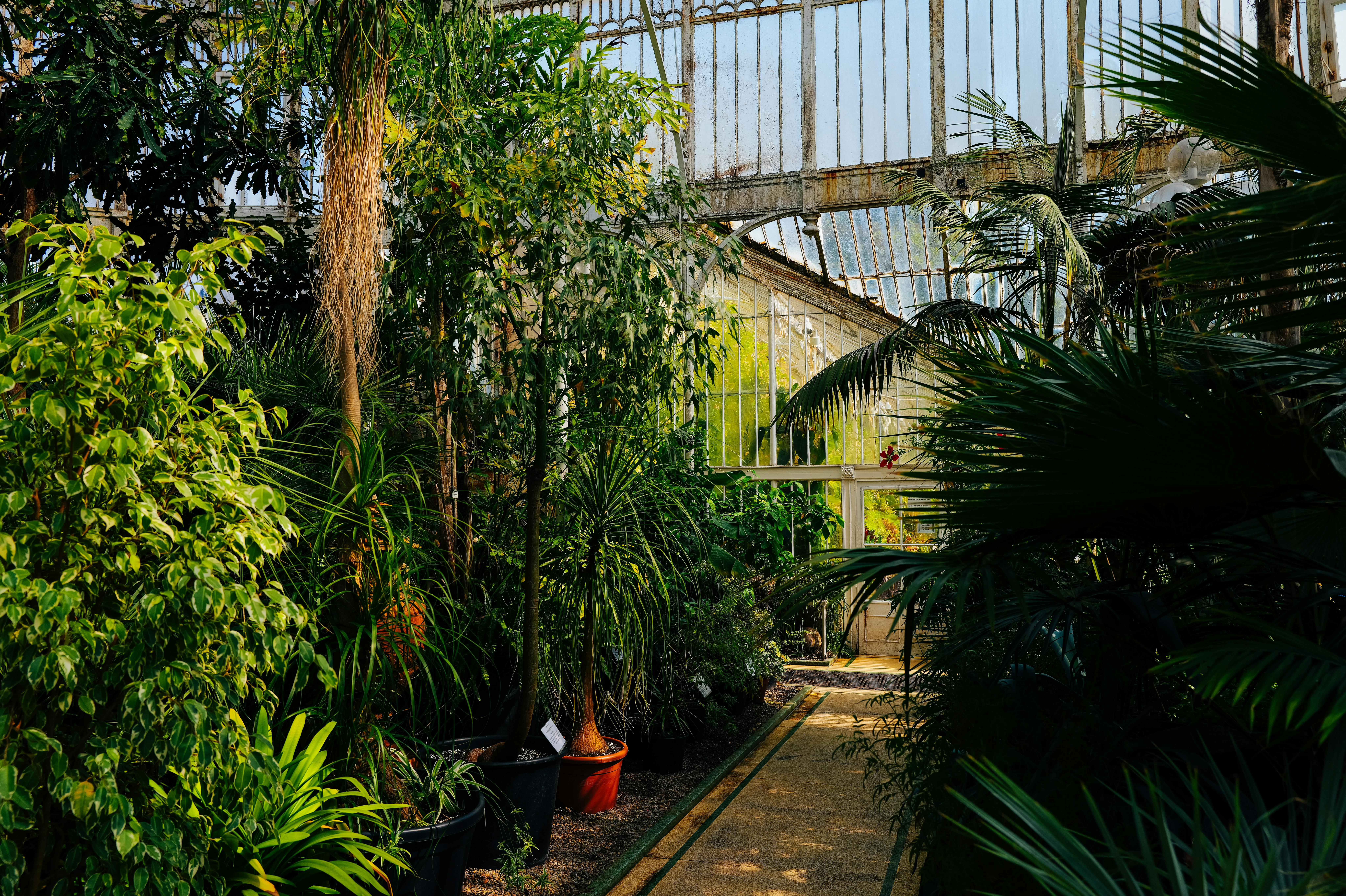
Urban landscapes have long been dominated by steel, glass, and concrete—materials that define modernity but often disconnect us from nature. Vertical forest projects represent a revolutionary approach to urban planning, integrating thousands of trees, shrubs, and plants directly into building facades. These structures aren’t merely decorated with greenery; they’re engineered ecosystems that function as living, breathing organisms within metropolitan centers.
The concept gained global attention with Stefano Boeri’s Bosco Verticale in Milan, completed in 2014. These twin residential towers host approximately 900 trees and over 20,000 plants, creating a vertical ecosystem equivalent to two hectares of forest. This pioneering project demonstrated that high-density urban living could coexist harmoniously with substantial green infrastructure, inspiring similar developments across continents.
Environmental Benefits That Reach Beyond Aesthetics
Vertical forests deliver measurable environmental advantages that extend far beyond their striking visual appeal. These green skyscrapers function as active air purification systems, with vegetation absorbing carbon dioxide, particulate matter, and urban pollutants while releasing oxygen. A single vertical forest building can absorb approximately 30 tons of CO2 annually while producing oxygen—equivalent to what a conventional forest of similar plant density would generate.
Climate Regulation and Urban Heat Island Mitigation 🌡️
Cities typically experience temperatures several degrees higher than surrounding rural areas due to the urban heat island effect. Dark surfaces absorb and retain heat, while limited vegetation reduces natural cooling mechanisms. Vertical forests combat this phenomenon through evapotranspiration—the process where plants release water vapor, naturally cooling surrounding air. Studies indicate that vegetated facades can reduce building surface temperatures by up to 10 degrees Celsius during summer months.
The thermal insulation provided by plant layers also reduces energy consumption for heating and cooling. Buildings integrated with vertical forests report energy savings ranging from 15% to 30% compared to conventional structures, translating into reduced greenhouse gas emissions and lower utility costs for residents and businesses.
Biodiversity Sanctuaries in Concrete Jungles
Perhaps surprisingly, vertical forests create habitats for urban wildlife, particularly birds, butterflies, and beneficial insects. These green towers serve as ecological corridors, connecting fragmented urban green spaces and enabling species migration through city centers. Milan’s Bosco Verticale alone attracts over 20 bird species and numerous pollinating insects, demonstrating how vertical ecosystems can enhance urban biodiversity.
The careful selection of native and adaptive plant species ensures these vertical ecosystems support local wildlife while requiring minimal maintenance. This approach transforms buildings from ecological dead zones into productive habitats that contribute to regional biodiversity conservation efforts.
Health and Well-being: The Human Connection
The presence of nature in urban environments significantly impacts human physical and mental health. Research consistently demonstrates that access to green spaces reduces stress, improves mood, enhances cognitive function, and promotes overall well-being. Vertical forests bring these benefits directly to residents’ doorsteps—or more accurately, their windows.
Improved Air Quality and Respiratory Health 💨
Urban air pollution contributes to millions of premature deaths annually worldwide. Vertical forest vegetation acts as a natural filtration system, capturing fine particulate matter (PM2.5 and PM10) that penetrates deep into lungs and bloodstreams. Plants also absorb harmful gases like nitrogen dioxide and sulfur dioxide, substantially improving local air quality. Residents of vegetated buildings benefit from cleaner air both outside and inside their homes, as plants continue filtering pollutants that infiltrate indoor spaces.
Psychological Benefits and Biophilic Design
Biophilia—our innate connection to nature—shapes how urban environments affect mental health. Vertical forests incorporate biophilic design principles, providing continuous visual contact with living plants. Studies show that even viewing nature through windows reduces stress hormones, lowers blood pressure, and accelerates recovery from illness. For urban dwellers with limited access to parks or natural areas, vertical forests offer daily nature exposure that significantly enhances quality of life.
The sounds of rustling leaves and visiting birds create natural soundscapes that mask disruptive urban noise, while the changing seasons reflected in foliage provide temporal connections often lost in static urban environments.
Architectural Innovation and Engineering Challenges
Creating successful vertical forests requires sophisticated engineering that addresses unique structural, irrigation, and maintenance challenges. These buildings aren’t simply conventional structures with added plants—they’re complex systems where architecture and horticulture integrate seamlessly.
Structural Considerations and Load Management 🏗️
Mature trees with soil and water systems add substantial weight to building facades. Engineers must account for these loads during design phases, incorporating reinforced structures capable of supporting hundreds of tons of vegetation, growing medium, and irrigation systems. The Bosco Verticale, for example, features specially designed balconies with reinforced concrete that extends building load capacity while maintaining aesthetic appeal.
Wind loads present additional challenges, particularly for tall buildings where forces can damage plants or compromise structural integrity. Designers employ wind tunnel testing and strategic plant placement to minimize exposure while ensuring vegetation thrives in rooftop and upper-floor locations.
Irrigation Systems and Water Management
Maintaining healthy vegetation across vertical surfaces requires sophisticated irrigation infrastructure. Most vertical forests employ automated drip irrigation systems connected to greywater recycling facilities that repurpose building wastewater. These closed-loop systems significantly reduce freshwater consumption while ensuring plants receive consistent moisture regardless of weather conditions.
Smart sensors monitor soil moisture, weather conditions, and plant health, adjusting water delivery in real-time. This technology-driven approach minimizes water waste while maximizing plant survival and growth, addressing concerns about resource consumption in vertical forest projects.
Economic Implications and Property Value
While vertical forests require higher initial construction costs—typically 5% to 15% more than conventional buildings—they deliver long-term economic benefits that justify the investment. Property values in vertical forest developments consistently exceed comparable conventional properties, reflecting market demand for sustainable, nature-integrated living spaces.
Operational Cost Savings and Return on Investment 💰
Energy savings from improved insulation and natural climate regulation reduce operational costs substantially over building lifetimes. Additionally, vertical forests often qualify for green building certifications like LEED or BREEAM, accessing tax incentives, reduced insurance premiums, and expedited permitting processes. These financial advantages accumulate over decades, offsetting higher initial construction expenses.
Marketing advantages also benefit developers, as vertical forest projects generate significant media attention and attract environmentally conscious buyers willing to pay premiums for sustainable residences. Occupancy rates in completed vertical forests consistently outperform market averages, demonstrating strong commercial viability.
Global Adoption and Cultural Adaptation
Following Milan’s success, vertical forest concepts have spread globally, with projects completed or underway in Asia, Australia, Europe, and the Americas. However, successful implementation requires adaptation to local climates, architectural traditions, and plant species.
Asian Innovation and Tropical Adaptations 🌏
Asian cities, facing severe air quality challenges and high population densities, have embraced vertical forests enthusiastically. Singapore’s “City in a Garden” vision incorporates extensive vertical greenery, while Chinese cities including Nanjing, Chengdu, and Liuzhou have commissioned ambitious vertical forest projects. Tropical climates enable year-round plant growth but require species selection adapted to high humidity, intense rainfall, and temperature extremes.
Projects in Southeast Asia often incorporate edible plants and community gardens, adding food security dimensions to environmental and aesthetic benefits. This approach resonates with cultural traditions emphasizing practical urban agriculture alongside ornamental landscaping.
Temperate and Arid Climate Considerations
Northern European vertical forests must accommodate seasonal dormancy, freeze-thaw cycles, and reduced sunlight during winter months. Plant selection focuses on hardy deciduous and evergreen species capable of withstanding harsh conditions while maintaining visual interest throughout seasons. Structural elements must also handle snow loads and ice formation without compromising plant health.
Arid regions present water scarcity challenges that require particularly efficient irrigation systems and drought-tolerant plant species. Projects in Middle Eastern cities employ native desert vegetation adapted to extreme heat and minimal rainfall, demonstrating that vertical forest concepts can succeed across diverse environmental contexts.
Maintenance Requirements and Long-term Sustainability
Vertical forests require ongoing horticultural care comparable to maintaining traditional gardens, but with added complexity from height and accessibility challenges. Successful projects incorporate maintenance planning from initial design phases, ensuring long-term plant health and system functionality.
Professional Horticultural Management 🌿
Specialized “flying gardeners” equipped with climbing gear and horticultural expertise perform pruning, fertilization, pest management, and plant replacement. These professionals conduct regular inspections, identifying issues before they compromise plant health or building integrity. Maintenance costs typically range from 2% to 4% of building operational budgets—comparable to maintaining extensive ground-level landscaping in conventional developments.
Plant selection emphasizes low-maintenance species with proven performance in vertical growing conditions. Native plants adapted to local conditions require less intervention than exotic species while better supporting local ecosystems. Designers also incorporate redundancy, ensuring that if individual plants fail, overall visual and ecological functions remain intact.
Challenges and Criticisms Worth Addressing
Despite numerous benefits, vertical forests face legitimate criticisms regarding costs, maintenance complexity, and greenwashing concerns. Critics argue that resources invested in vertical forests might achieve greater environmental impact through alternative approaches like urban parks, public transportation improvements, or conventional green roofs.
Accessibility and Social Equity Concerns ⚖️
Vertical forests predominantly serve affluent populations capable of affording premium housing. This raises equity questions about whether sustainable urban development benefits should be more democratically distributed. Some urban planners advocate for investing in accessible public green spaces rather than exclusive private developments, arguing this better serves overall urban populations.
However, vertical forests’ air quality improvements, heat island mitigation, and biodiversity benefits extend beyond building residents, providing neighborhood-wide environmental advantages. Moreover, as technology advances and construction methods improve, costs are gradually decreasing, potentially making vertical forests more accessible to middle-income developments.
Greenwashing and Authentic Sustainability
Some projects marketed as “vertical forests” incorporate minimal vegetation for aesthetic purposes without delivering substantive environmental benefits. This greenwashing undermines genuine sustainable development efforts and misleads consumers. Industry standardization, certification programs, and transparent performance metrics can help distinguish authentic vertical forests from superficial greening efforts.
The Future Skyline: Integration and Innovation
Vertical forest technology continues evolving, incorporating smart building systems, renewable energy integration, and advanced materials. Future developments may feature aquaponics systems combining food production with vertical greenery, or integrate photovoltaic panels with vegetation for combined energy generation and environmental benefits.
Urban Reforestation at Scale 🌲
As climate change intensifies and urban populations grow, vertical forests offer scalable solutions for integrating substantial vegetation into dense urban environments. Ambitious proposals envision entire neighborhoods or districts designed around vertical forest principles, creating urban ecosystems that genuinely function as forests despite high population densities.
Technological advances in lightweight growing media, automated maintenance systems, and genetic selection of urban-adapted plant varieties will reduce costs and improve performance. These innovations promise to make vertical forests increasingly practical across diverse contexts and income levels.
Reimagining Urban Living Through Green Architecture
Vertical forest projects challenge fundamental assumptions about urban development, demonstrating that density and nature need not be opposing forces. These structures prove that cities can accommodate growing populations while enhancing rather than degrading environmental quality. As climate change, air pollution, and mental health challenges intensify, the benefits vertical forests provide become increasingly valuable.
The movement toward green skyscrapers represents more than architectural innovation—it reflects evolving understanding of humanity’s relationship with nature and recognition that sustainable urban futures require integration rather than separation of built and natural environments. While vertical forests alone cannot solve all urban environmental challenges, they constitute important tools in the comprehensive approach necessary for creating resilient, healthy, livable cities.
As more vertical forests complete their first decades of operation, long-term performance data will refine design approaches and demonstrate sustained benefits. The transformation of urban skylines from grey to green marks not an endpoint but a beginning—the emergence of cities that function as ecosystems, supporting both human flourishing and environmental health in unprecedented harmony. 🌆🌿